What the Elegoo Mars 3 Is
The Elegoo Mars 3 is a desktop resin 3D printer from Elegoo. If you are new to the category, the short version is that a resin printer builds a model layer by layer in a vat of light-cured resin rather than melting filament through a nozzle. That difference is why miniature painters pay attention: the resin route is built around holding fine surface detail, and fine detail survives a thin coat of paint far better than a smoothed-over surface does.
One caution before anything else. The Mars 3 has been on the market for years, and listings for it have changed over that time. Treat any specific number you run into, including build volume, screen resolution, layer height, price, and what ships in the box, as something to confirm on Elegoo's official product page or a current retailer listing. This article deliberately does not quote specs that cannot be checked today. Instead, it explains what the machine is good for and which details decide whether a specific unit is worth buying.
Where the Mars 3 Sits
Elegoo has kept releasing newer resin printers since the Mars 3, so one fair question is whether an older model still makes sense. The model name tells you which documentation, resin profiles, and spare parts to look for. It does not tell you the condition of a particular used unit, its firmware version, or how easily its replacement screen and films can be sourced right now. Those are purchase checks, and they are covered below.
What It Suits, and What It Does Not
Two use cases keep coming up for a printer in this class: it is often someone's first resin printer, and it is aimed at miniature-level detail. If your projects are character figures, tabletop miniatures, small props, or detail parts that you plan to prime and paint, the resin route lines up with the job. Surface quality starts high, which usually means less sanding before primer.
Where it stops being a fit is scale. Resin printers in this class are compact machines with a small working envelope, and a small envelope is the wrong tool for a large one-piece terrain piece, a big vehicle hull, or a display model that has to come off the plate in one piece. You can print in sections and assemble them, but that adds joins to clean up and a different set of failure points. If most of your printing list is large and structural, a filament printer or a bigger resin machine will save you a lot of gluing.
The honest framing is a trade. You are buying detail and a shorter path to a paint-ready surface; you are accepting a smaller build area and a longer finishing routine.
The Post-Processing Routine Is the Real Cost
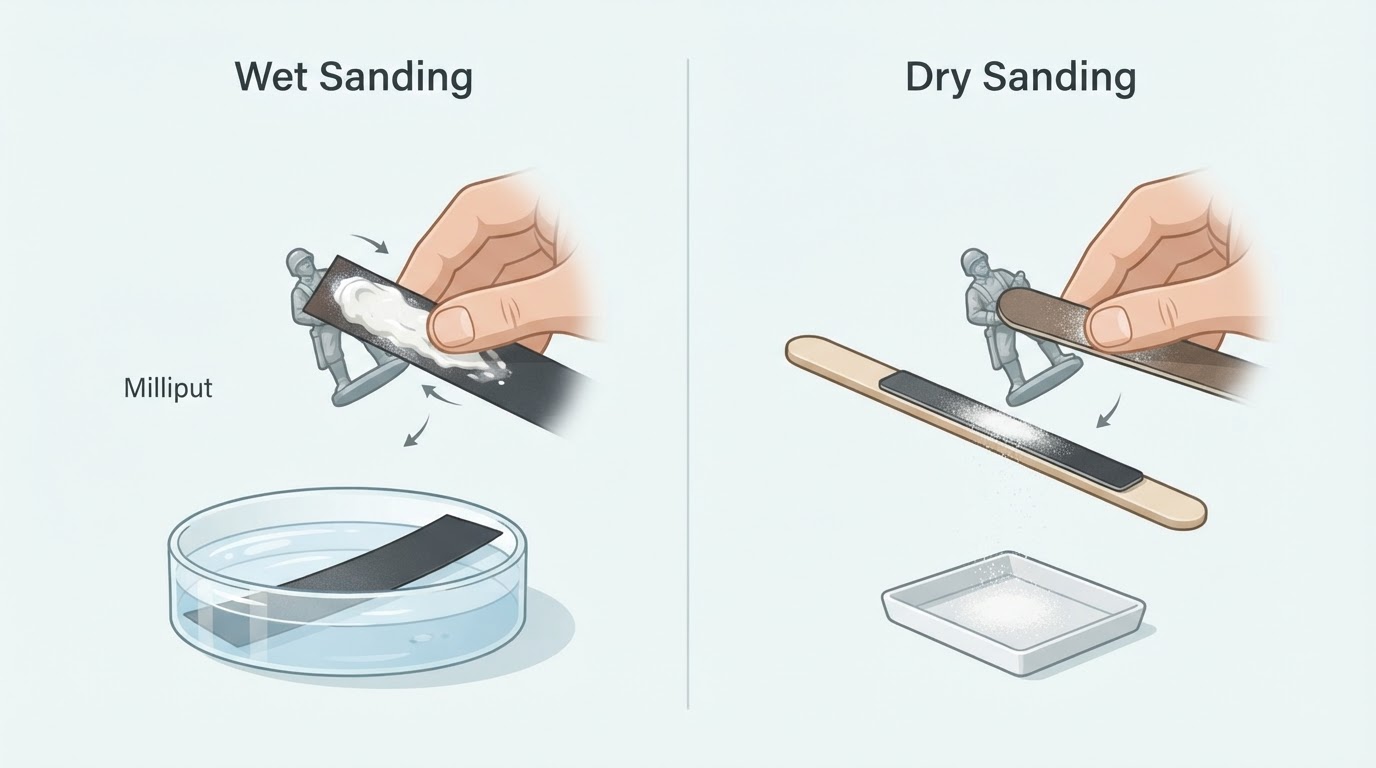
Every resin print comes off the plate wet with uncured resin, so the workflow includes more than printing. You will wash the part, cure it under UV light, remove supports, and then prepare the surface before paint. Support scars in the wrong place show up under a wash, and a soft surface exaggerates layer texture, so the finishing steps are not optional polish. They are part of the result.
Plan for space and materials, not just the printer. Resin handling means gloves, ventilation, and a work surface where drips do not matter. A kitchen table can work, but only with a tray, a mat, and a clear plan for storing resin, solvent, and waste. Budget the workflow, not only the machine.
Durability is the other trade. Cured resin is hard and detail-rich, but thin resin parts are more brittle than filament prints, so a miniature that travels in a case every week may chip or snap where a filament version would bend. For display pieces and scenery this rarely matters. For gaming pieces that get handled hard, plan for pinning, careful storage, or a different material.
The most common mistake at this stage is treating exposure as a set-and-forget setting. Resin and temperature change how a print cures, so a test print after a resin change or a seasonal shift is normal maintenance, not a sign that something is wrong with the machine.
What to Verify Before You Buy
Work through this checklist before money changes hands. The order matters less than completing all of it.
- Build volume against your biggest model. Confirm the build volume on the official listing, then compare it with the largest single piece you actually expect to print. If your usual projects need to come off the plate in one piece, this is the first number to check.
- Screen and resolution details. These decide the fine detail the machine can hold. Confirm them on Elegoo's own page or an authorized listing rather than from a comparison table that may describe a different revision.
- Current price, new and used. Compare the price you are being offered against the current official listing. A marketplace seller may not carry the same warranty or return terms, and a deal is only a deal relative to today's price.
- Spare parts and consumables. For an older printer, check how easily you can buy a replacement screen, film, vat, and build plate, plus the resins you plan to use. This matters more on a superseded model than on a current one.
- Software and firmware path. Confirm that your slicer supports the machine and that firmware updates and print profiles are still available for it.
- What ships in the box. Listings vary. Know whether you still need to buy tools, a scraper, a wash-and-cure setup, or your first bottle of resin on day one.
Write the confirmed numbers down with the date you checked them. That gives you a baseline when a listing looks too good to be true.
Judging a Used Listing
Used machines are where the Mars 3 often competes on price, so ask for evidence instead of trusting a description. Request close photos of the screen displaying a test print, the condition of the film and vat, the build plate surface, and the accessories that are actually included. Ask whether the previous owner stored resin in the vat, how old the current screen is, and for a short video of the machine running a print cycle. A seller who has a working printer can produce these quickly; a seller who cannot may be selling a project.
Honest Pros and Cons, in One View
Reasons the Mars 3 still earns a look
- Detail-first printing for miniatures, figures, and small parts.
- A long-running model name, which means guidance and community discussion exist for it, though you should check that any guide matches your revision.
- A realistic route into resin printing without buying the newest machine on the shelf, if the price is right.
Reasons to pause
- You are buying into a workflow with washing, curing, supports, ventilation, and solvent handling.
- A compact build envelope rules out large one-piece prints.
- Thin parts are more brittle than filament prints.
- An older model raises parts availability, support, and revision questions that a current-model purchase does not.
Who Should Consider It, and Who Should Look at Newer Options
Consider the Mars 3 if you are getting into resin printing mainly for miniatures and character-scale work, you are ready to learn the wash-cure-support workflow, and you are willing to verify current details and parts support before you commit.
Look at a newer or larger resin printer if you need a bigger build volume, you want the current generation's feature set rather than an older machine's parts puzzle, or you want the longest possible support window ahead of you. Neither direction is automatically correct. The deciding input is the list of models you actually plan to print this year, compared against confirmed specs from an official listing.
A Sane Next Step
Before you order, open Elegoo's official product page and the exact listing you are buying from, and confirm the six items above in one sitting. If you are buying used, run the questions in the used-listing section before you travel to collect the machine.
The Short Version
- For miniatures, figures, and detail parts, an older Mars 3 is still worth pricing against newer machines, if the verified build volume fits your models.
- For large one-piece prints or the longest support window, compare current-generation options first.
- Either way, confirm build volume, price, and spare-part availability from an official or current listing before you buy.