Affiliate Disclosure
We are supported by our audience. When you purchase through links on our site, we may earn an affiliate commission, at no extra cost for you. Learn more.
Air Compressor for Airbrush: What Miniature Painters Actually Need
The Right Compressor Gets You Painting, Not Troubleshooting
For miniature airbrushing, a small airbrush compressor is one convenient starting point, but it is not the only one. Iwata's FAQ notes that a regulated shop compressor can also work if it supplies suitable air, so compare working pressure, airflow, duty, and clean dry air rather than the category on the box. Noise and apartment suitability depend on the specific unit and your space, not on a universal rating.
The practical decisions are tank or no tank and how much noise you can live with, but they are not the whole specification. Horsepower alone does not tell you pressure, airflow, duty cycle, or tank size, and a compressor's maximum pressure is not the pressure you spray at. Check the published figures at the working pressure your airbrush and paint need.
A unit with a regulator and gauge, a moisture trap, and documented airflow at your working pressure is a reasonable starting point for many hobbyists. Whether a tank helps depends on how long you spray and how steady the output needs to be.
Pressure: The One Setting That Controls Everything
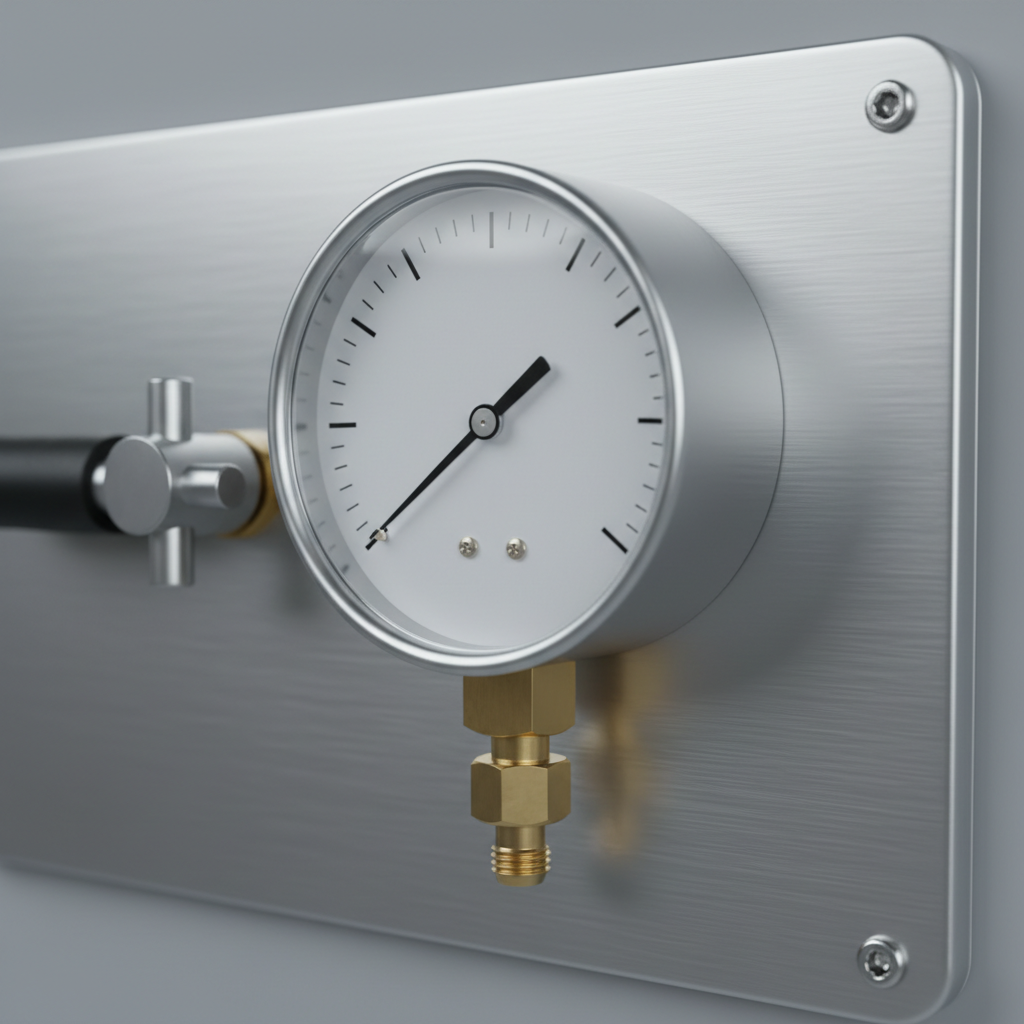
There is no single pressure for miniature work. Iwata notes that working pressure varies with the airbrush and the material; the ranges below are illustrative starting points, not prescriptions. Adjust at the regulator and test your own combination.
A regulator and gauge let you set and repeat a working pressure at the source. Without one, you are adjusting by feel at the trigger. Look for a documented working-pressure range and a regulator with a gauge; the maximum pressure rating is not a spray setting.
Why Clean, Dry Air Makes or Breaks Your Finish
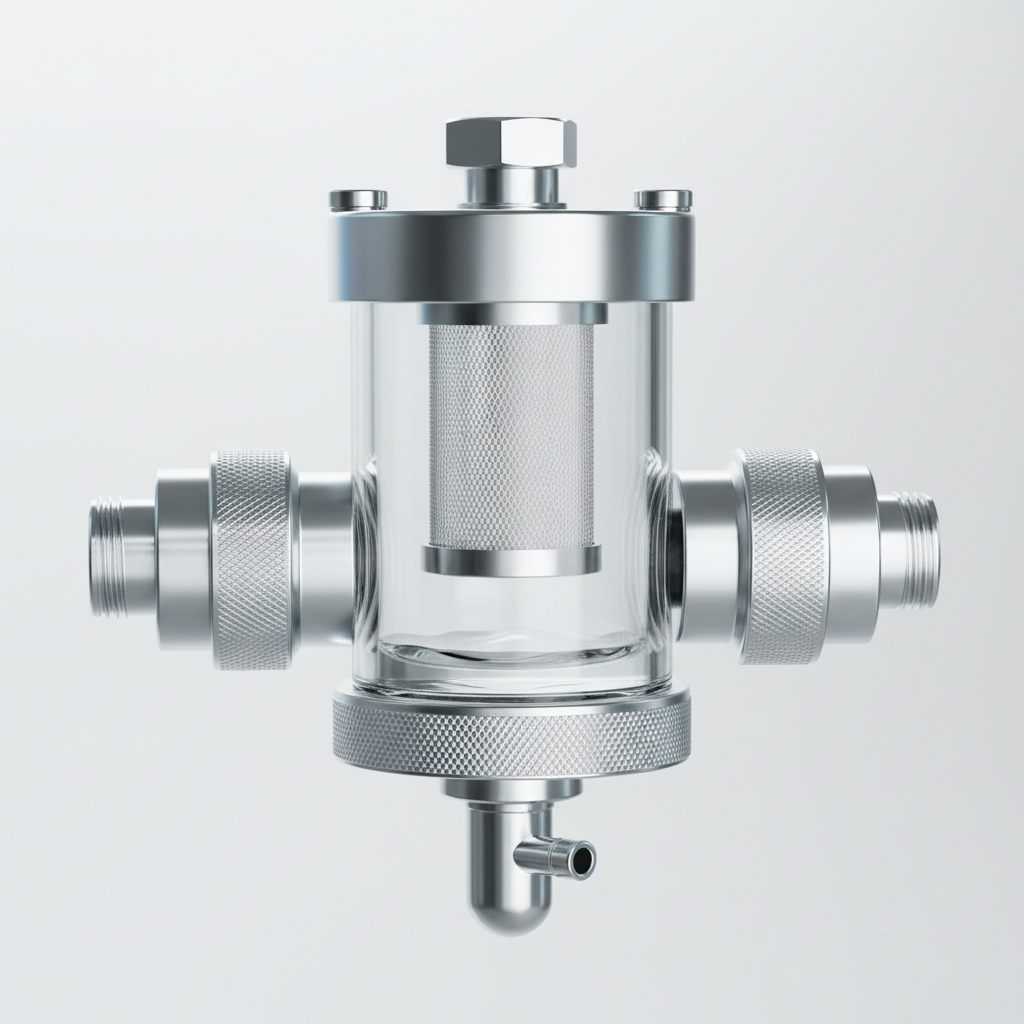
Moisture Trap / Water Separator
Catches condensation before it reaches the airbrush. Moisture can cause paint to bead, fish-eye, or refuse to adhere, especially with acrylic washes.
Oil-less (Oil-free) Motor
Oil-free pumps avoid oil carryover into the air line. Some shop compressors are oil-lubricated; with adequate filtration and maintenance they can still supply suitable air, but oil carryover can contaminate a water-based finish. Check the maker's guidance for your setup.
Tank or Tankless: Which One Do You Actually Need?
Tankless
Supplies air directly as you spray; there is no reservoir to buffer the pump. Compact and portable, but output depends on the pump's rated airflow and duty cycle. Tankless units can use diaphragm or piston pumps, so do not treat "tankless" as a motor type.
Short sessions, travel, or shared-space setups.
With a Tank
A reservoir buffers pump pulsation and lets the motor cycle on and off to refill. How steady the output feels depends on tank size, the regulator, and how much air your brush draws. Tanked units can also use diaphragm or piston pumps.
Longer sessions, larger models, or batch painting.
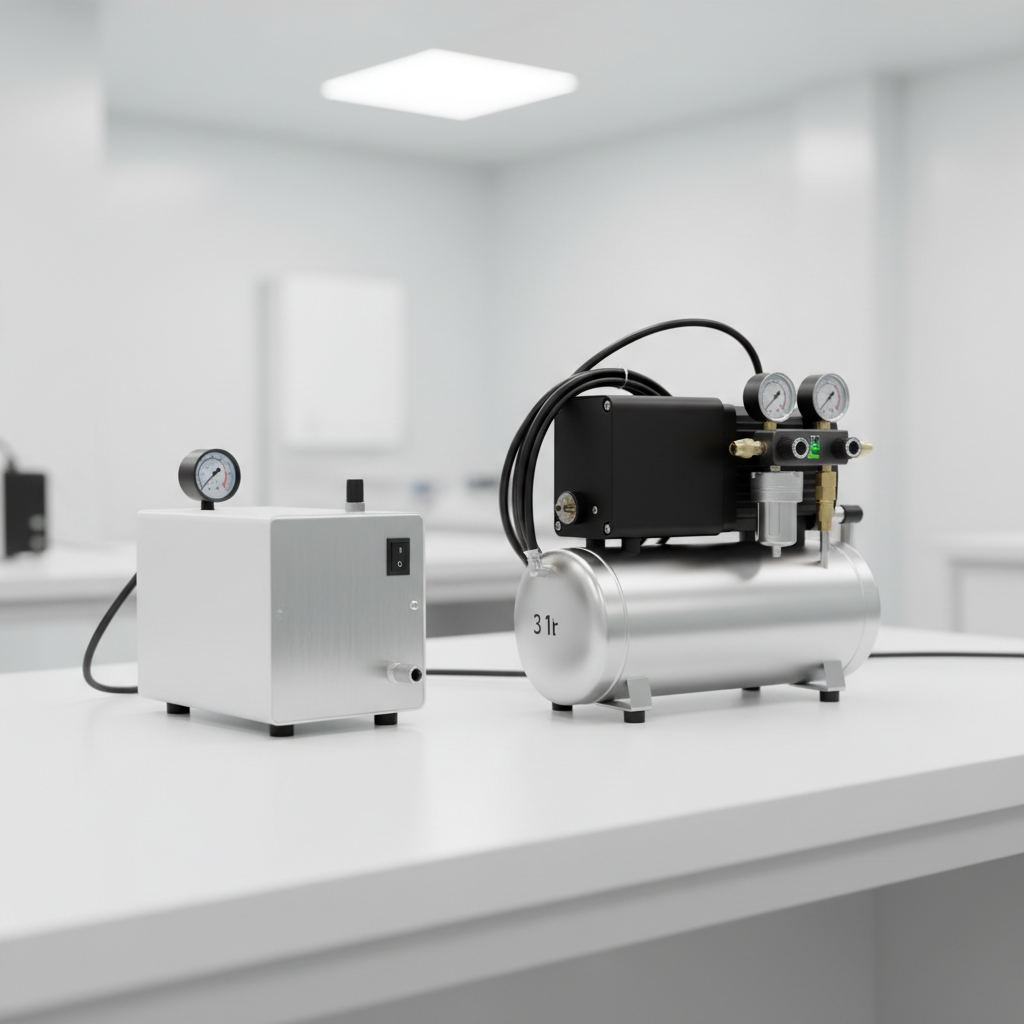
Tank size is a trade-off, not a rule. Many hobby units use a small tank in the 1–3 liter range; a larger tank adds weight and takes longer to fill but buffers more air. Compare the published tank volume and the compressor's duty cycle at your working pressure.
Noise: Compare Published Figures Carefully
Noise matters in a shared space, but published dB figures are not directly comparable unless the maker states the same distance and test method. A lower rating is generally quieter; it is not a guarantee that a unit suits your apartment.
Practical takeaway: For a shared space, check the maker's dB figure and its test method, and listen before buying if you can. A quiet piston-and-tank unit and a quiet tankless unit can both work; the pump design alone does not settle it.
What to Look for When Buying
Pressure Regulator
Important; lets you set and repeat a working pressure. Check that its range covers what your airbrush and paint need.
Oil-free Motor
Common on hobby compressors and avoids oil carryover; a maintained oil-lubricated unit with suitable filtration can also work if the maker supports it.
Moisture Trap
Useful in humid conditions; catches condensation before it reaches the brush.
Low Noise Level
Check the published dB figure and its test distance; lower is generally easier to live with in a shared space.
Auto Shut-off
Recommended for tank units to prevent overheating and extend motor life.
1–3 Liter Tank
A common hobby size; compare actual tank volume and duty cycle rather than treating it as a rule.
Documented examples, with maker links
These are examples of published specifications, not a ranking. Confirm the current version, voltage, and manual for your region before buying.
Iwata Power Jet Pro (IS975, North American spec)
1/6 HP, 2 L tank, 1–50 PSI working pressure, 75 PSI maximum, rated 62 dB, 110–120 V 60 Hz. The 75 PSI figure is a maximum, not a spray setting.
Iwata specification pageSparmax TC-620X
Oil-less twin-cylinder piston, 2.5 L tank, pressure switch 40 PSI on / 60 PSI off, airflow 23–32 LPM, 10.4 kg. Pressure-switch values are not the recommended pressure at the brush.
Sparmax specification pageA useful spec sheet states working pressure and airflow at that pressure. If it lists only horsepower or maximum pressure, ask the maker for the missing figures, and confirm the fittings match your airbrush and hose.
Ready to master the airbrush?
Learn the techniques that make your new gear shine, from PSI settings to perfect thinning.
HOW TO AIRBRUSH MINIATURES — FULL TECHNIQUE GUIDEDetailed guide on PSI, thinning, and blending.
Keep Going: Airbrush and Painting Resources
How to Airbrush Miniatures
Technique, PSI settings, and thinning ratios.
Best Brushes for Miniatures
When to switch from airbrush to brush.
Highlighting Techniques
Edge highlighting and glazing methods.
Primer for Miniatures
Choosing the right primer for your project.
Painting Supplies
Full supplies overview for new painters.
Thinning Calculator
Dial in your paint-to-thinner ratio perfectly.
Frequently Asked Questions
What PSI should I use for airbrushing miniatures?
Pressure varies with the airbrush, paint, and technique. Iwata notes working pressure varies by airbrush and material. Many hobbyists start around 10–20 PSI and adjust; treat any range as a starting point, not a rule. A gauge lets you repeat a setting.
Can I use a portable airbrush compressor for miniatures?
A portable or tankless compressor can work for miniatures. Check its rated airflow and duty cycle at your working pressure; output may fluctuate more than with a tanked unit.
Do I need a tank compressor for miniature painting?
Not necessarily. A tank buffers pulsation for longer sessions, but a suitable tankless unit can handle detail work and short sessions. Compare published airflow and duty, not just the presence of a tank.
What is a moisture trap and do I need one?
It catches condensation from the compressed air. It can help prevent water spotting or adhesion problems, especially in humid conditions; whether you need one depends on your setup.
Is an oil-free compressor required for airbrushing?
Not universally. Oil-free avoids oil carryover, which is why many hobby compressors use it. A maintained oil-lubricated compressor with suitable filtration can also supply air; check the maker's guidance.
Step up your painting game
Use these checks when you compare your next compressor.
HOW TO AIRBRUSH MINIATURES — FULL TECHNIQUE GUIDE