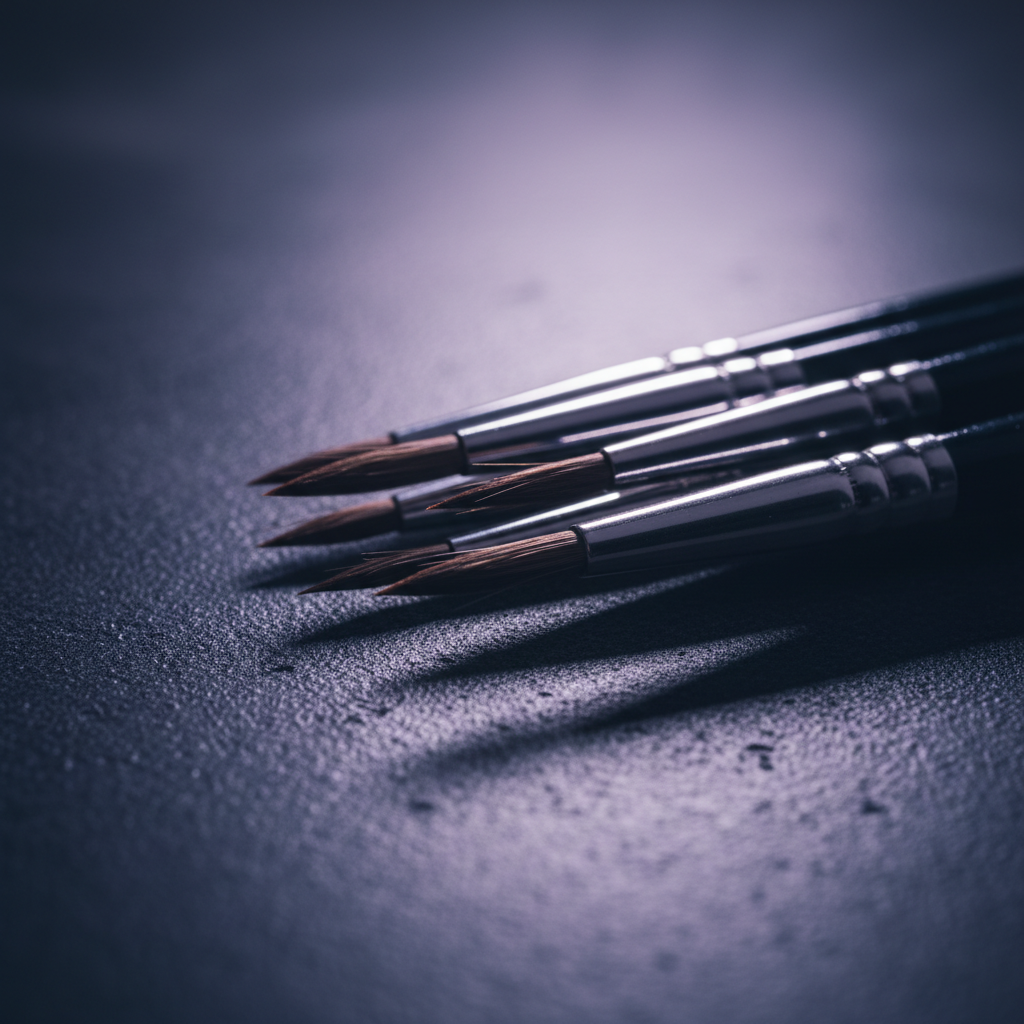
Best Brushes for Miniatures:
Top Picks by Painting Stage
Want brushes that still hold a sharp tip three months from now? The answer isn't the most expensive brush—it's matching the right material to your painting stage and following a simple care routine.
We are supported by our audience. When you purchase through links on our site, we may earn an affiliate commission, at no extra cost for you.
Match the Brush to the Job
Basecoating & Large Areas
A medium round (size 1 or 2) with enough belly to hold paint for large areas. Sable holds more paint per load than most synthetics, which can mean fewer reloads on a 32 mm figure; drag lines come from paint consistency and technique, not the hair alone.
Detail Work
A size 0 or 00 pointed round with 'tip snap.' Useful for highlighting armor edges, facial features, and gem effects with precision.
Lining & Extreme Detail
A liner/rigger or size 000. These hold a reservoir of thinned paint to feed a needle-fine tip for eye whites and 0.5mm marks.
Drybrushing
A dedicated stiff, flat-ended brush. Drybrushing wears tips, so keep a separate brush rather than using your best round.
The Tip Test: How to Tell a Good Brush on Sight
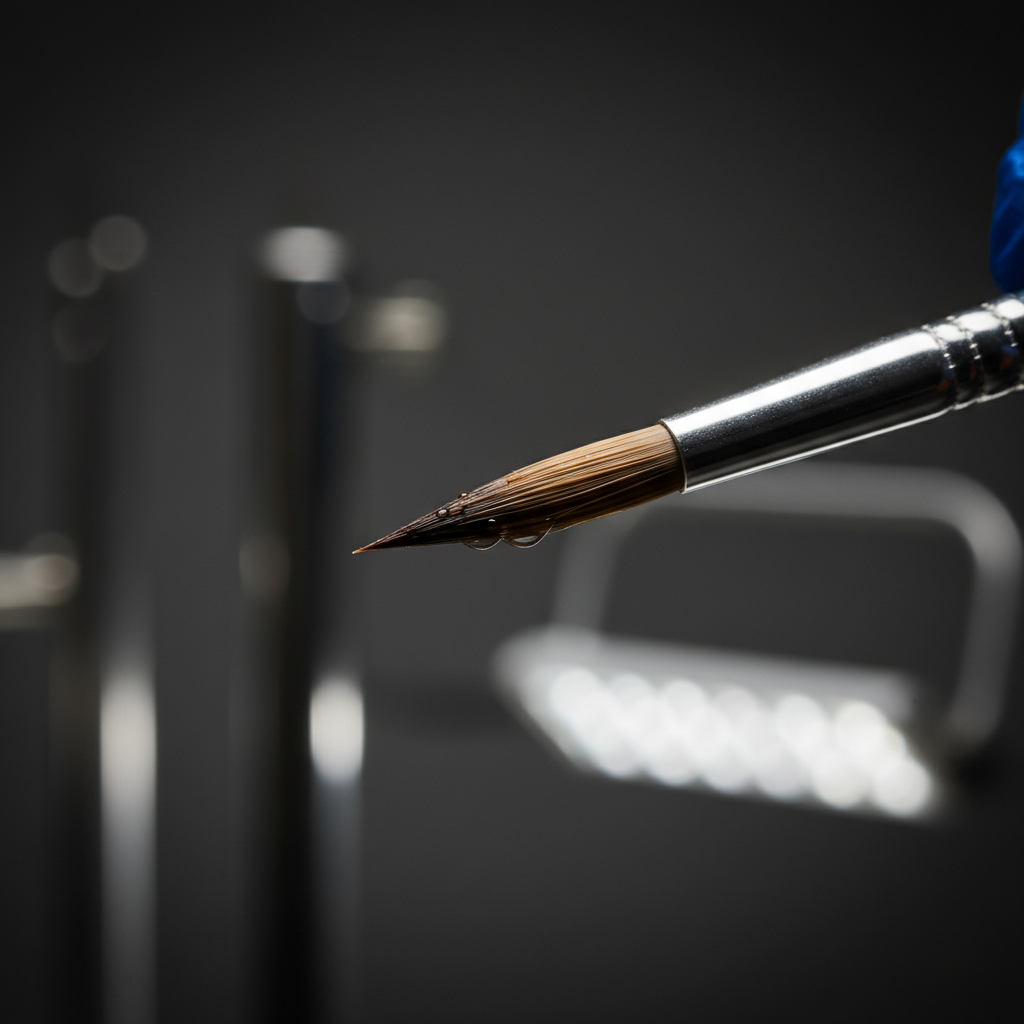
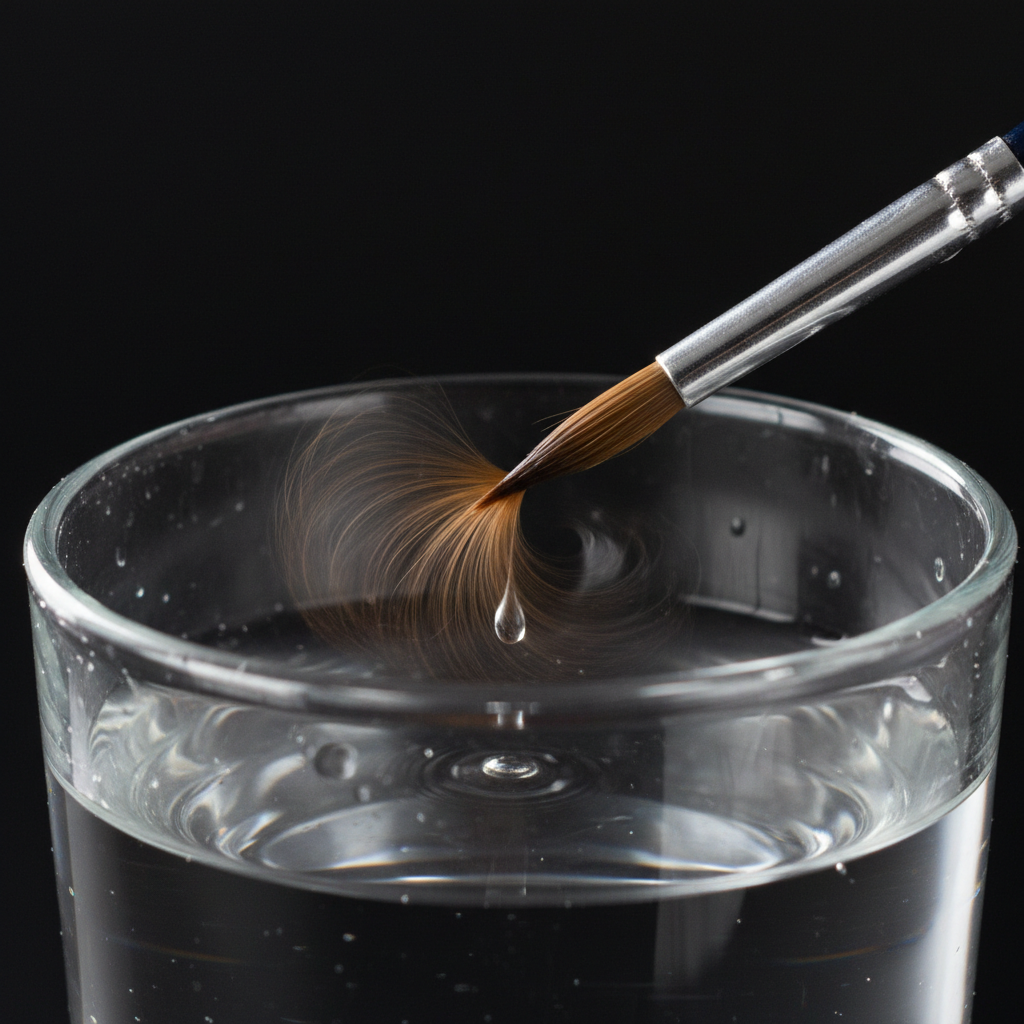
One shop-floor check: dip the tip in water, then flick it once. A brush that is going to hold a point should come back close to one.
Run your finger along the bristles; they should spring back cleanly. For Kolinsky sable, the tip must hold its point under the weight of water without drooping.
If it fans or splays while wet, it will be harder to control; return it if it is new.
Bristle Material Comparison
Kolinsky Sable
Detail work, layering, glazing.
A traditional choice for detail work. It holds a lot of paint for its tip size and springs back well when cared for.
Synthetic
Basecoating and washes.
Affordable and durable. Resistant to acrylic medium damage. Great for beginners learning care habits.
Mixed / Blend
High-performance value.
Better snap than pure synthetic at a lower price than pure sable. A great middle ground for most painters.
Recommended Brushes by Painting Stage
Verify current availability and pricing before purchasing. Product lines change.
Army Painter Basecoat Brush
A medium-sized synthetic round sold as a basecoating brush. Check the current listing for its size and hair type, because names and sizes vary between product lines.
PROS
- • Very Affordable
- • Inexpensive synthetic
- • Widely available
CONS
- • Synthetic tips can splay with heavy use
- • Not for fine detail
Winsor & Newton Series 7 (Size 1)
A Kolinsky sable round in a long-running series. Size 1 is a common all-round size: enough belly for basecoating and a fine point for faces. Check the maker's current size chart, since brush numbering is not standardised across brands.
PROS
- • Fine natural point
- • Holds paint well
- • Good paint retention
CONS
- • Premium price
- • High care overhead
Three Steps to Double Your Brush Lifespan
Most brushes die because paint dries in the ferrule (the metal band).
Clean Often
Rinse periodically during a session: every 15 minutes is a reasonable habit, and sooner if paint starts climbing toward the ferrule. Paint wicking into the ferrule splays bristles from the inside out.
Reshape
Use your fingers to bring bristles to a sharp point before they dry. Never let them dry while splayed.
Store Correcty
Store brushes tip-up or horizontally. Leaving them tip-down in water can bend the tip.
Why Your Brushes Keep Dying
- ! Paint dried in the ferrule (a common cause)
- ! Drybrushing with detail rounds
- ! Storing tip-down in water
- ! Overloading with too much paint
Frequently Asked Questions
What size should a beginner start with?
A size 1 round for general work, a size 0 for detail and a separate brush for drybrushing. Sizing varies by brand, so check the maker's chart before ordering.
Is Kolinsky sable worth it for beginners?
Not automatically. It holds a point well but costs more and needs careful cleaning. A quality synthetic is a lower-risk way to learn the care routine first.
How often should I replace brushes?
Replace a brush when it no longer comes to a point after cleaning and reshaping, or when the ferrule starts to splay the bristles. That depends on how often you paint and how well you clean, not a fixed calendar.
The best brush is the one that holds a point long enough for you to finish what you started.
Get your tools, learn the care routine, and let the model tell you when you need a finer tip.
Back to Top© One Nerdy Dad. Prices and availability subject to change.