Miniature Painting Supplies:
Everything A Beginner Actually Needs
Starting to paint miniatures is exciting — and a little overwhelming. This guide cuts through the noise with a clear, prioritized checklist of the paints, tools, and consumables that will get you through your first minis without overspending.
We are supported by our audience. When you purchase through links on our site, we may earn an affiliate commission at no extra cost to you. Learn more about our disclaimer.
What You Actually Need (And What Can Wait)
The single biggest mistake new painters make is buying too much at once. A 72-paint starter set sounds like a deal until you realize you're spending an hour choosing a color instead of actually painting.
Must-Have
You genuinely cannot start without these. Buy them before your first session.
Good to Add
These make your work noticeably easier or open new techniques. Worth picking up in your first month.
Buy Later
Useful tools and products that only make sense once you've painted a few models and know what you actually want to improve.
Miniature Paints: What Types You Need and Why
Base / Starter Paints
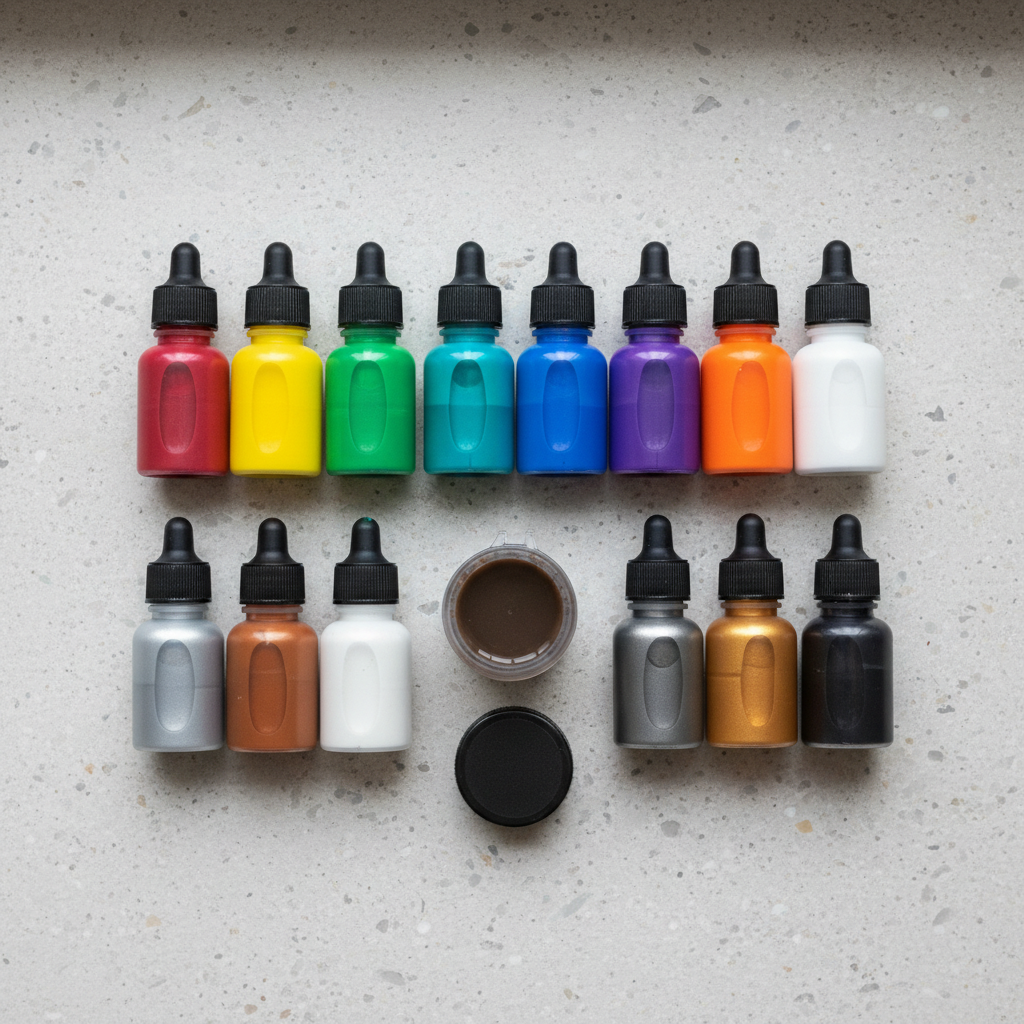
MUST-HAVEWater-based acrylics are the usual starting point for miniature ranges. A workable first set is roughly 8–12 colors: neutral dark, neutral light, brown, bone/tan, 2–3 accent colors, silver, and gold.
A Wash or Shade
MUST-HAVEA thin, dark-tinted liquid that flows into recesses to create depth. Many starter paint ranges sell a wash in this role; check that the wash is made for the acrylics you are using.
Contrast or Speed Paints
GOOD TO ADDSingle-coat paints that combine base color and shade. They suit textured surfaces like cloth, skin, and fur, and can speed up a workflow. They are formulated products, not ordinary acrylics: The Army Painter recommends a hard palette or mixing tray for Speedpaint, because wet-palette moisture can alter it.
A Dry Brush Color
GOOD TO ADDA light, high-contrast color (bone or bright silver) used for quick, effective highlighting. Essential for beginner-friendly detail work.
Read the paint line before you mix
Published paint-line instructions differ, and they beat a universal recipe. Vallejo's official Model Color airbrush guide, for example, gives a Field Blue 70.964 basecoat mix of two parts 71.261 Airbrush Thinner to two parts paint (1:1), then three drops of 71.262 Flow Improver for every ten drops of paint, stirred to the bottom of the cup. Those numbers belong to that named example and that paint line, not to every color or brand.
The Army Painter's Speedpaint 2.0 guide instead calls for a hard palette because wet-palette moisture can change the paint. Check the sheet for the line you bought. Vallejo Model Color airbrush guide (PDF)
Brushes: The Three Sizes Every Beginner Needs
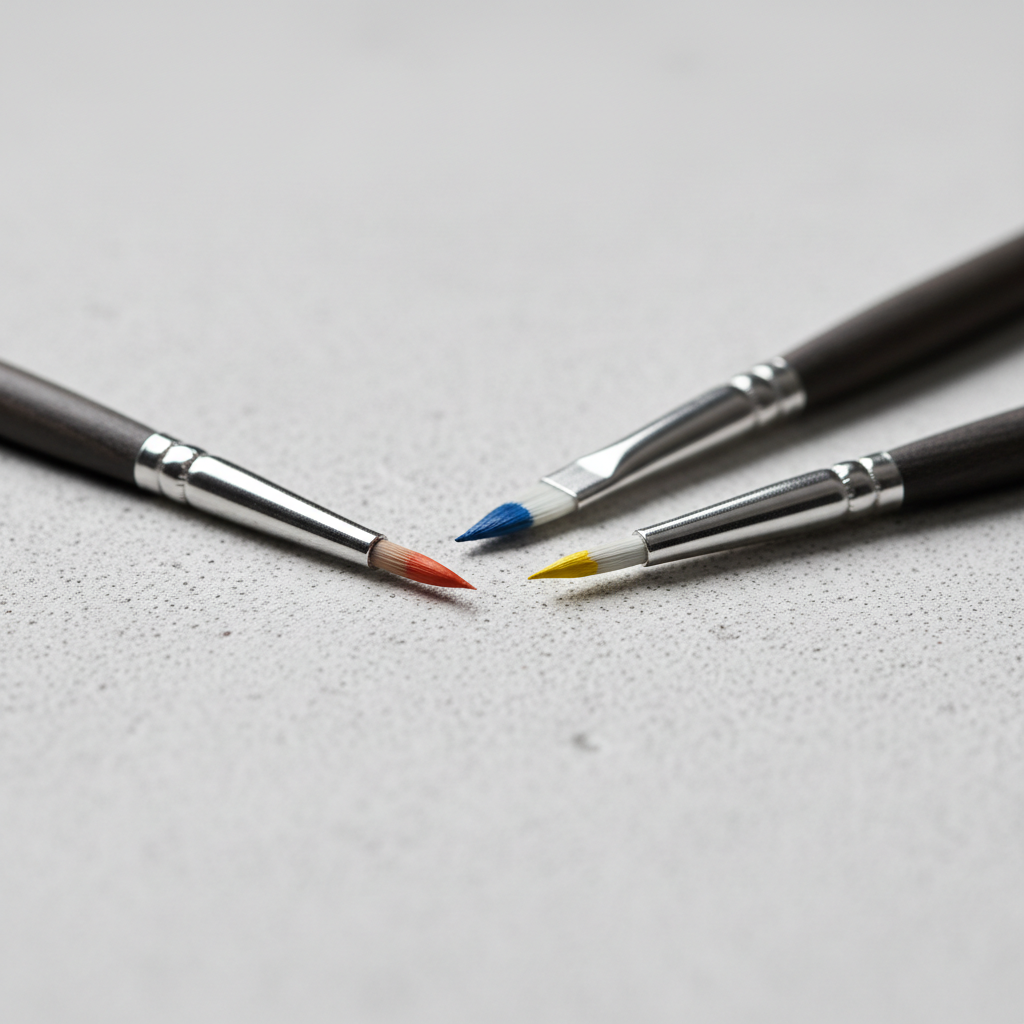
Don't overbuy—start with the three essential brush sizes. You do not need a 20-brush set. In fact, having too many leads to confusion and unused brushes going stiff.
Size 1 or 2 Round
Your workhorse for base coating and large areas. Look for a decent synthetic brush with a fine point when wet.
Size 0 or 00 Detail
For eyes, fine edge work, and small details. A size 0 is more forgiving for beginners than a 00.
Cheap Flat Brush
Used specifically for dry brushing, which destroys tips. Never use your good detail brushes for this.
Start with three sizes; add more only when a job needs them
View Latest PriceEssential Tools: Clippers, Files, and More
Get the tools that make assembly and prep a breeze. Paint is only part of the equation; prep determines the final finish quality.
Plastic Clippers
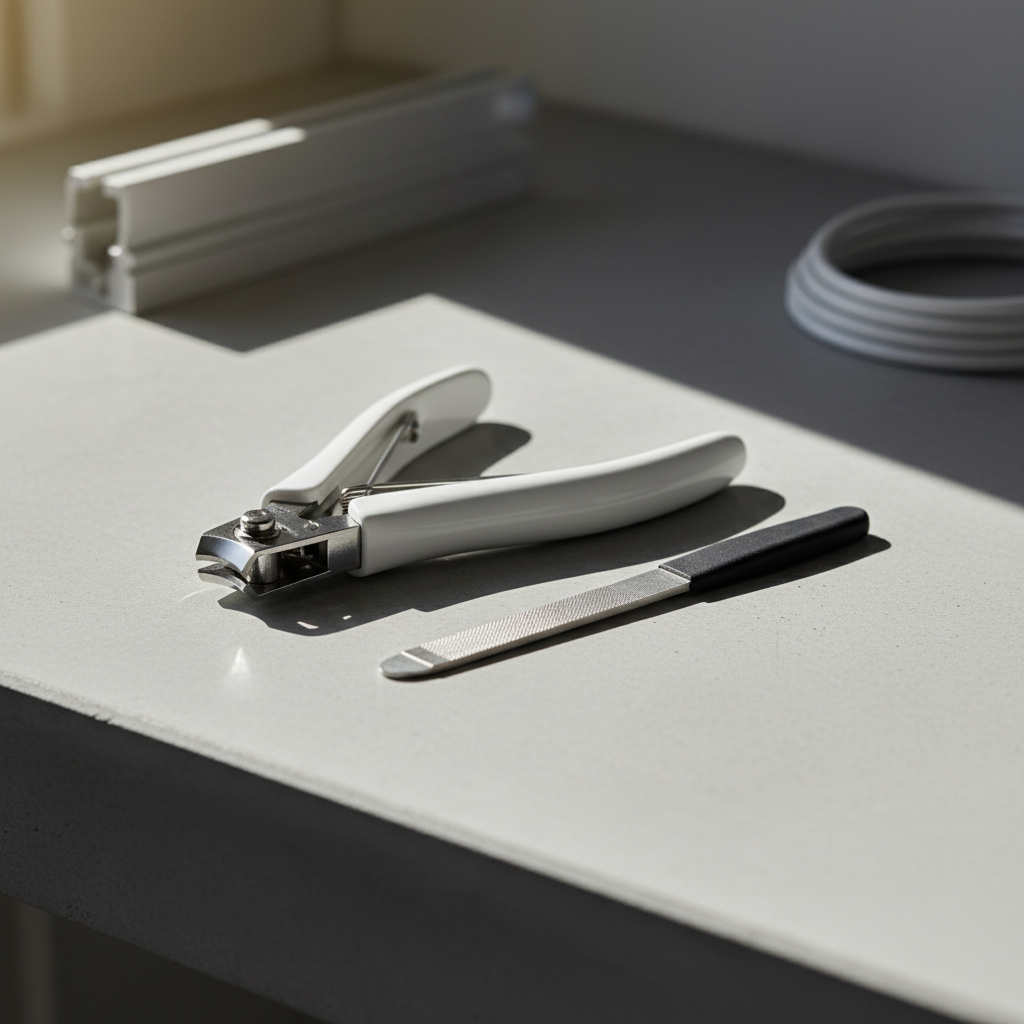
Essential for removing models from the frame cleanly without damaging parts.
Small File
Removes thin seams (mold lines) from the casting process before priming.
Tweezers & Knife
Useful for placing small bits and cleaning up curved surfaces.
Painting Handle
Grips the model's base to provide a comfortable hold, preventing fingerprints.
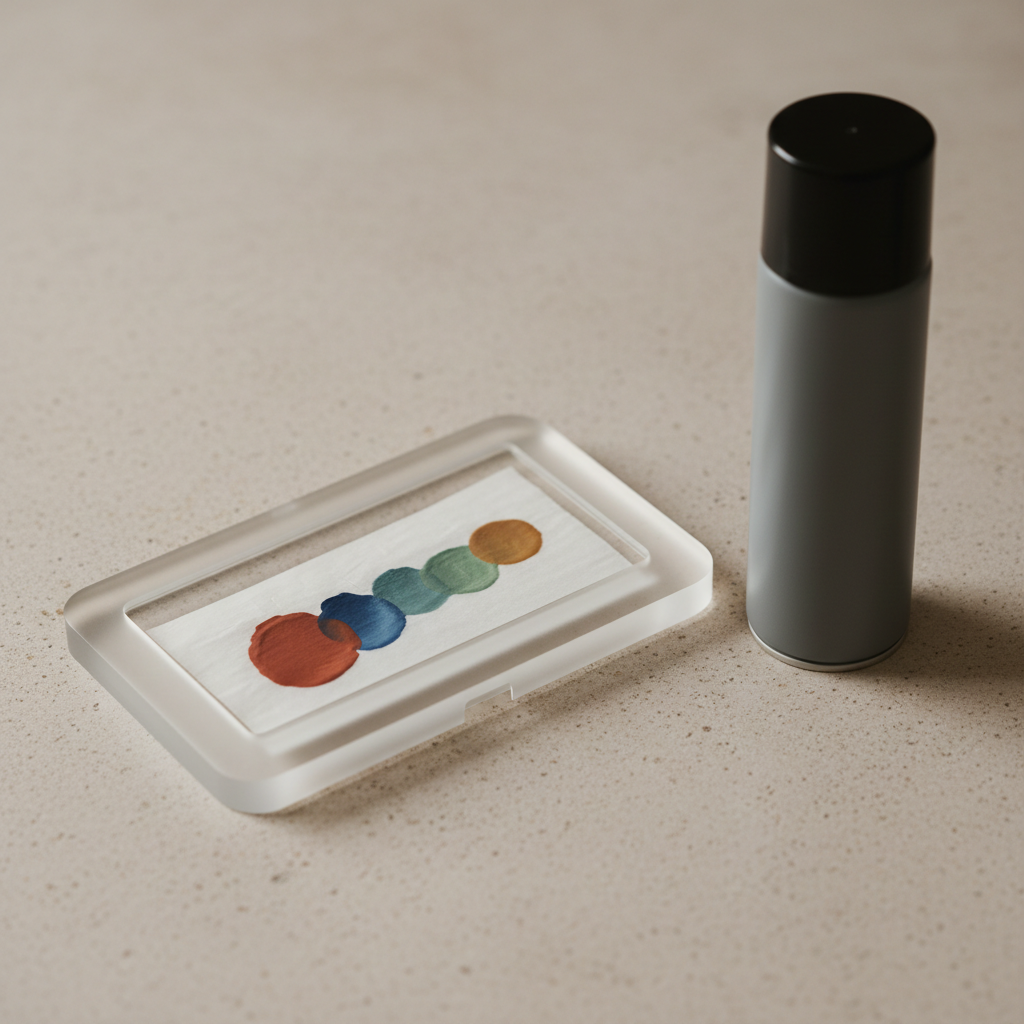
Consumables: Primer, Wet Palette, and Varnish
Stock up on the essentials that protect your hard work. These aren't glamorous, but skipping them costs you in ruined models and frustrating results.
Primer (Spray or Brush-on)
Creates a surface for paint to stick to. Grey or black are flexible starting points; check the can or bottle label for the surfaces and materials it is made for.
Wet Palette
Slows drying for many water-based acrylics and keeps paint workable longer. Some formulated paints, such as Speedpaint, are designed for a hard palette instead, so follow the paint line's guidance.
Plain Palette
A flat surface for thinning paints or testing washes. Ceramic tiles or old plates work perfectly.
Matte Varnish
Protects finished models from wear and tear, especially gaming pieces that are handled regularly.
Setting Up Your Painting Space
Lighting
Use a daylight-balanced desk lamp (5000–6500K). Natural light is the most impactful workspace upgrade you can make.
Storage
Store acrylics upright, away from heat. Shake Citadel-style pots before use to keep pigment in suspension.
Workspace
Use a silicone mat. Keep two water cups: one for rough cleaning, one for fine rinsing before color changes.
Frequently Asked Questions
What's the best miniature painting starter kit?
A kit can be a cheap way to try a range, but check which paints and volumes it includes. A hand-selected list of 12–15 colors chosen for your models usually beats a generic box you will not use.
Do I need Warhammer paints for Warhammer miniatures?
No brand is required. Vallejo, Army Painter and Citadel all make acrylics that can be used on the same models, but they are not identical products; check each paint's own thinning and coverage guidance rather than assuming they behave the same.
Can I use regular craft store acrylic paint?
Often yes for terrain and practice. Craft acrylics vary in pigment load and finish, and some are too thick for fine detail without thinning; test one on a spare piece before using it on a model you care about.
How many paints do I need to start?
8 to 15 is the sweet spot: a dark, a light, a brown, a skin tone, a metallic, and 3-5 project-specific colors.
What primer color should I use?
Grey is the most flexible all-rounder. Black is great for natural shadows; white is best for very bright or neon colors.
Do I need a wet palette right away?
Not necessarily. A wet palette helps with many water-based acrylics by slowing drying, but some formulated paints are designed for a hard palette and can be altered by wet-palette moisture. Check the paint line first.
Ready to Start Painting?
You now have everything you need to build your first miniature painting supply list. Start with the Must-Have tier and focus on painting your models.
View Latest Price on AmazonThe best painters are the ones who paint the most models.